
 By
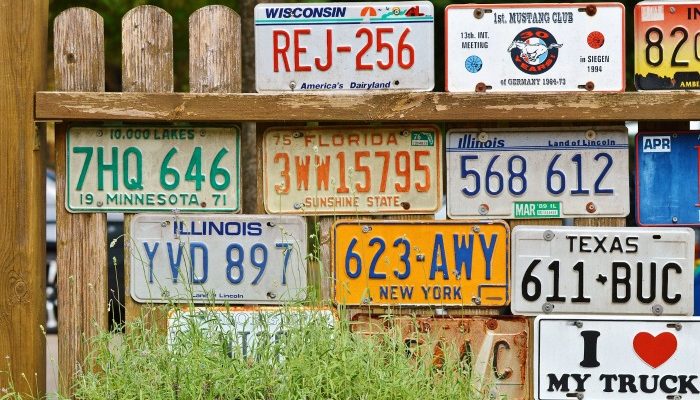
By License plates, once functional identifiers on vehicles, offer a practical resource for home decoration. In the United States, where automotive culture runs deep, these metal sheets carry historical and regional significance that translates well into interior design. Transforming them into wall art provides an accessible way to personalize spaces without high costs or complex skills. This approach appeals to homeowners seeking unique, conversation-starting elements that reflect personal interests, such as travel memories or state pride. The process involves sourcing, preparing, and arranging the plates to create cohesive displays. With basic tools and minimal investment, individuals can produce durable pieces that withstand daily use. This article outlines the steps to achieve professional results, drawing on established techniques used by decorators and hobbyists alike. A seller at https://www.shoplicenseplates.com/ emphasizes the importance of material authenticity in such projects: “Selecting plates with original patina adds depth to the artwork, while ensuring they are free from structural damage prevents future issues” (craft license plates). By following structured methods, anyone can elevate ordinary walls into galleries of American ingenuity.
Understanding License Plate Materials
License plates in the United States have evolved since their introduction in the early 1900s, initially handmade and painted by hand before standardization in the 1950s. Modern plates consist of aluminum alloy, typically 0.032 inches thick, coated with reflective sheeting for visibility. This material resists corrosion better than earlier steel versions, making it suitable for indoor art applications. Vintage plates from the 1920s to 1970s often feature embossed designs and enamel paints, providing textured surfaces ideal for visual interest. Understanding these compositions aids in selecting plates that align with design goals. For instance, the reflective properties of post-1960s plates catch light effectively in well-lit rooms, enhancing metallic sheen.
Regional variations add layers of narrative potential. California plates from the 1960s display bold graphics symbolizing the state’s coastal identity, while Midwest tags might evoke rural heritage through simpler fonts. These elements allow for thematic groupings, such as a collection of East Coast plates tracing migration routes. Weight considerations are practical: a standard plate weighs about 0.75 pounds, so arrangements of 10 to 20 pieces remain manageable on most walls without specialized supports.
Safety factors include lead content in pre-1978 paints, which federal regulations now limit. When handling older plates, gloves prevent skin contact, and ventilation during any refinishing ensures air quality. Durability testing by the American Association of State Highway and Transportation Officials confirms that aluminum plates endure bending up to 180 degrees without fracturing, supporting creative manipulations like slight curving for dimension.
In artistic contexts, the plates’ perforations—four holes per plate—facilitate secure mounting. These features, originally for registration tabs, now serve as attachment points. Experimenting with material contrasts, such as pairing rusted vintage pieces with polished new ones, creates dynamic contrasts. Overall, the inherent strength and aesthetic versatility of U.S. license plates position them as reliable foundations for wall art that blends functionality with expression.
Acquiring Plates for Your Project
Sourcing license plates requires a methodical approach to build a collection that suits specific visions. Start by assessing needs: quantity, era, and condition influence the scope. Local options include auto salvage yards, where discarded plates accumulate from scrapped vehicles. These sites often sell items for under $5 each, providing authentic, weathered pieces that convey history. Online marketplaces expand access, with auctions featuring state-specific lots from collectors downsizing inventories.
When exploring license plates for sale, prioritize platforms that verify legality—expired plates are permissible for decorative use under federal guidelines, but active ones must be decommissioned properly. Specialty retailers cater to enthusiasts, offering categorized inventories that simplify selection. For example, grouping by decade allows thematic builds, like a 1980s road trip series. Budgeting helps: expect $2 to $20 per plate, depending on rarity. Bulk purchases reduce costs, ideal for large installations.
Legal considerations are straightforward. The Department of Motor Vehicles in most states permits the sale of expired plates for non-vehicle use, as outlined in Title 49 of the U.S. Code. Avoid reproductions unless disclosed, as authenticity enhances resale value if desired. Community resources, such as flea markets or car shows, yield unique finds—veterans’ plates or commemorative issues that add personal resonance.
Storage during acquisition prevents damage: stack plates horizontally in acid-free boxes to avoid scratches. Documenting origins, perhaps with photos, builds a backstory for the final piece. Networking through automotive forums connects suppliers with surplus stock, ensuring steady supply. This phase sets the project’s tone, transforming raw materials into narrative anchors for walls.
Cleaning and Preparing the Plates
Preparation transforms raw license plates into polished components ready for display. Begin with a gentle assessment: inspect for bends or chips that could compromise integrity. A soft-bristle brush removes surface dust, followed by a solution of mild dish soap and warm water. This method, recommended by conservation experts, preserves original finishes without aggressive abrasion.
For stubborn grime, such as road salt residue on vintage pieces, apply white vinegar diluted 1:1 with water. Soak for 15 minutes, then rinse thoroughly to neutralize acidity. Avoid steel wool, which scratches aluminum; opt for non-abrasive pads instead. Drying is critical—air-dry on racks to prevent water spots, or use microfiber cloths for speed.
Refinishing options depend on desired aesthetics. To highlight patina, a clear acrylic sealant applied in thin coats protects against oxidation while maintaining color fidelity. Spray in a well-ventilated area, allowing 24 hours between layers. For a uniform look, sand lightly with 400-grit paper, then prime with rust-inhibiting enamel. This process evens textures, preparing surfaces for paints or decals if customization follows.
Edge treatment enhances safety and appearance. File sharp corners with a metal file, smoothing to a 45-degree bevel. This step, often overlooked, prevents snags during handling. Heat application, using a hairdryer on low, can gently reshape minor dents without warping the plate.
Testing compatibility follows: arrange cleaned plates in a mock layout to evaluate cohesion. Adjustments here save time later. Professional restorers note that proper prep extends lifespan by 20-30 years indoors. This meticulous stage ensures the art’s longevity, bridging acquisition to creation seamlessly.
Designing Your Wall Art Composition
Composition principles guide the arrangement of license plates into balanced, engaging displays. Consider scale first: measure wall space and plate dimensions to avoid overcrowding. A 4×6-foot area accommodates 12-16 plates in a grid, promoting symmetry. Asymmetry suits narrative themes, like a diagonal flow mimicking a highway.
Color theory informs selection: group plates by dominant hues—blues from ocean states alongside reds from desert regions—for harmonious palettes. Monochromatic schemes using faded blacks and whites evoke vintage signage. Software tools, such as free design apps, simulate layouts, allowing virtual tweaks before commitment.
Thematic development adds depth. Road trip motifs might sequence plates by mileage markers, while family heritage displays incorporate birth-state tags. Scale variations—mixing full plates with cropped sections—introduce rhythm. Negative space between elements breathes life into the piece, preventing visual fatigue.
Lighting integration elevates impact: position near windows for natural glow or under spots for drama. Shadow play from angled plates creates subtle depth. Feedback loops refine designs: sketch thumbnails, then prototype on kraft paper taped to walls.
Sustainability angles appeal to eco-conscious creators: upcycling plates reduces landfill waste, aligning with EPA guidelines on material reuse. Documenting the design process, via journals or photos, tracks evolution for future iterations. This creative core turns individual plates into unified statements, tailored to room functions like entryways or offices.
Installation and Mounting Techniques
Secure installation anchors the artwork, ensuring stability over time. Select hardware based on wall type: drywall anchors for plasterboard, toggle bolts for heavier loads. Each plate’s weight necessitates supports rated at least twice the total mass—standard kits from hardware stores suffice for most projects.
Begin with a level line: mark horizontal guides using a laser level for precision. Attach plates via corner holes with screws or wires, spacing 1-2 inches apart. For seamless grids, use adhesive-backed clips that grip without drilling, ideal for renters. Wood frames provide an alternative: route channels into backing boards to slot plates, then hang as a single unit.
Outdoor adaptations, if applicable, involve weatherproof sealants and stainless steel fasteners to combat humidity. Indoor pieces benefit from felt backing to mute vibrations. Professional installers advocate testing adhesion: apply weight gradually over 48 hours.
Customization in mounting fosters innovation. Magnetic systems allow repositioning, perfect for evolving displays. LED strips behind plates amplify nighttime visibility, wired through concealed channels. Cost analyses show DIY methods save 70% over commissioned work.
Post-installation checks include torque verification on fasteners and alignment confirmation. This phase realizes the vision, converting ephemeral sketches into enduring fixtures that withstand environmental shifts.
Enhancing and Customizing Your Piece
Enhancements expand the artistic potential of license plate walls. Integrate mixed media: overlay translucent films for stained-glass effects or embed LED lights for illuminated borders. These additions, achievable with craft store supplies, layer complexity without overwhelming the core motif.
Personalization techniques include engraving initials via rotary tools, limited to shallow depths to preserve integrity. Paint accents—such as gold leaf on edges—highlight details, using heat-set mediums for adhesion. Digital printing on compatible films transfers custom graphics, blending modern tech with retro charm.
Collaborative elements invite participation: host workshops where guests contribute plates, fostering community ties. Scale-up options, like floor-to-ceiling murals, demand structural reviews but yield immersive environments.
Market trends indicate rising demand for such art, with Etsy sales of similar items up 15% annually per platform data. Valuation tips: authenticate rarities through numbering systems, boosting collectible appeal.
Experimentation drives uniqueness—pair with shadow boxes for three-dimensionality or incorporate sound elements like chimes from dangling tags. These refinements evolve basic displays into signature features, reflecting evolving tastes.
Caring for Your License Plate Art
Maintenance preserves the vibrancy and structure of license plate installations. Dust weekly with a soft cloth, avoiding feather dusters that scatter particles. For deeper cleans, compressed air dislodges buildup without moisture risks.
Humidity control is key: maintain 40-60% levels using dehumidifiers in damp climates, preventing aluminum oxidation. UV exposure fades paints; sheer curtains filter sunlight in sunlit rooms.
Periodic inspections detect loose mounts: tighten quarterly, especially in high-traffic areas. If refinishing becomes necessary, strip old sealants with citrus-based removers for eco-friendly results.
Insurance considerations classify pieces as personal property; document with photos for claims. Resale preparation involves gentle polishing to restore sheen, potentially increasing value by 25%.
Educational outreach, sharing care routines via blogs, sustains interest. This ongoing stewardship ensures the art’s endurance, honoring its automotive roots while gracing contemporary spaces.