
 By
By Thinking about getting more out of your diesel engine? You’ve probably heard about diesel tuning, but what exactly is it, and how does it work? Modern diesel tuning is more than just a simple tweak; it’s a sophisticated process that can significantly improve your vehicle’s performance, fuel efficiency, and overall driving experience.
This comprehensive guide will break down the ins and outs of modern diesel tuning, covering everything from the basics of how it works to the potential benefits and risks involved. We’ll explore the different techniques used, what to look for in a reputable tuner, and answer some frequently asked questions to help you make an informed decision. Let’s dive in and explore the world of diesel tuning.
What is diesel tuning?
At its core, diesel tuning involves modifying the engine control unit (ECU) software to optimise engine performance. The ECU is the brain of your engine, controlling various parameters such as fuel injection, turbo boost, and timing. By remapping the ECU, tuners can alter these parameters to achieve specific goals, such as increased power, improved fuel economy, or a smoother throttle response. It’s like giving your engine a software upgrade, tailored to your specific needs and driving style.
Unlike older methods that involved physical modifications to the engine, modern diesel tuning is primarily software-based. This means it’s less invasive, more precise, and often reversible. However, it’s crucial to understand that not all tuning is created equal, and choosing a reputable and experienced tuner is essential for achieving safe and reliable results.
How does it work?
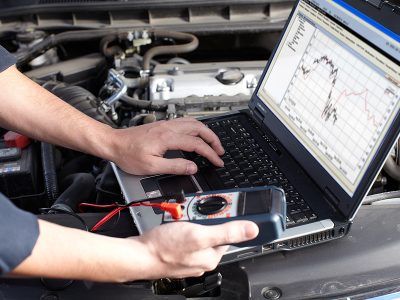
The process typically starts with a diagnostic scan of your vehicle’s ECU to identify its current settings and any potential issues. The tuner will then use specialised software to read the existing ECU map and modify it according to your desired performance goals. This might involve adjusting fuel injection timing and duration, increasing turbo boost pressure, or optimising air-fuel ratios.
Once the modifications are complete, the new ECU map is uploaded back to your vehicle. The tuner will then perform thorough testing and monitoring to ensure the engine is running safely and efficiently. This might involve dyno testing, road testing, and data logging to fine-tune the settings and ensure optimal performance across various driving conditions. The goal is to enhance performance without compromising the engine’s reliability or longevity.
Benefits of diesel tuning
So, why would you consider diesel tuning for your vehicle? The potential benefits are numerous and can significantly enhance your driving experience. Here are some of the key advantages:
- Increased Power and Torque: One of the most common reasons people opt for diesel tuning is to boost their vehicle’s power and torque. This can result in quicker acceleration, improved towing capabilities, and a more responsive driving experience.
- Improved Fuel Efficiency: Believe it or not, diesel tuning can also improve fuel economy in some cases. By optimising the engine’s air-fuel ratio and combustion efficiency, you can potentially reduce fuel consumption, especially during highway driving.
- Smoother Throttle Response: Many drivers find that diesel tuning can smooth out the throttle response, making the vehicle feel more responsive and easier to control. This can be particularly beneficial in city driving or when navigating challenging terrain.
- Enhanced Towing Performance: If you frequently tow trailers or caravans, diesel tuning can provide a significant boost in towing performance. The increased torque can make it easier to pull heavy loads and maintain consistent speed on inclines.
- Customisation: Diesel tuning allows you to customise your vehicle’s performance to suit your specific needs and driving style. Whether you’re after maximum power, improved fuel economy, or a balance of both, a skilled tuner can tailor the ECU map to achieve your desired results.
Potential risks and considerations
While diesel tuning offers numerous benefits, it’s essential to be aware of the potential risks and considerations involved. Improper tuning can lead to engine damage, reduced reliability, and even void your vehicle’s warranty. Here are some of the key factors to keep in mind:
- Engine Damage: Overly aggressive tuning can put excessive stress on engine components, leading to premature wear and potential damage. It’s crucial to ensure that the tuning is performed within safe limits and that the engine is properly monitored.
- Reduced Reliability: Poorly executed tuning can negatively impact engine reliability, leading to increased maintenance requirements and potential breakdowns. Choosing a reputable tuner and using high-quality components can help mitigate this risk.
- Warranty Issues: Modifying your vehicle’s ECU can potentially void your manufacturer’s warranty. It’s essential to check with your dealer or warranty provider before proceeding with diesel tuning.
- Legality: In some areas, modifying your vehicle’s emissions control systems may be illegal. It’s crucial to check local regulations and ensure that your modifications comply with all applicable laws.
- Choosing the Right Tuner: Selecting a qualified and experienced tuner is paramount. Look for tuners with a proven track record, positive reviews, and a thorough understanding of diesel engine technology.
Choosing the right diesel tuner
Finding a good tuner is the most important part of the process. With so many options available, how do you choose the right one? Here are some key factors to consider when selecting a diesel performance tuning:
- Experience and Expertise: Look for tuners with extensive experience in diesel engine tuning and a deep understanding of ECU technology. Ask about their qualifications, training, and the types of vehicles they specialise in.
- Reputation and Reviews: Check online reviews and testimonials to get a sense of the tuner’s reputation and customer satisfaction. Look for tuners with consistently positive feedback and a proven track record of delivering reliable results.
- Equipment and Technology: Ensure that the tuner has access to the latest diagnostic tools, tuning software, and dyno equipment. This will enable them to perform accurate testing, fine-tune the ECU map, and ensure optimal performance.
- Customisation Options: Choose a tuner who offers custom tuning solutions tailored to your specific needs and driving style. Avoid generic “one-size-fits-all” tunes, as these may not be optimised for your vehicle.
- Customer Support: Opt for a tuner who provides excellent customer support and is willing to answer your questions and address any concerns you may have. A good tuner will be transparent about the tuning process and provide ongoing support after the tune is completed.
Modern diesel tuning techniques
Modern diesel tuning encompasses a range of techniques, each designed to optimise specific aspects of engine performance. Here’s a brief overview of some of the most common methods used:
- ECU Remapping: This involves modifying the ECU software to adjust various parameters, such as fuel injection timing, turbo boost pressure, and air-fuel ratios.
- Dyno Tuning: Dyno tuning involves testing and fine-tuning the ECU map on a dynamometer to optimise performance across various RPM ranges and load conditions.
- Live Tuning: Live tuning involves making real-time adjustments to the ECU map while the vehicle is being driven, allowing the tuner to optimise performance based on actual driving conditions.
- Chip Tuning: While less common these days, chip tuning involves physically replacing or modifying the ECU chip to alter the engine’s programming.
- Module Tuning: This involves installing a plug-and-play tuning module that intercepts and modifies the ECU signals to enhance performance.
FAQs about diesel tuning
Still have questions about diesel tuning? Here are some frequently asked questions to help clarify any remaining uncertainties:
Will diesel tuning void my warranty?
Potentially, yes. Modifying your vehicle’s ECU can void your manufacturer’s warranty, particularly if the modifications are found to be the cause of a mechanical failure. It’s essential to check with your dealer or warranty provider before proceeding with diesel tuning.
Is diesel tuning legal?
The legality of diesel tuning can vary depending on your location and the specific modifications being made. Modifying your vehicle’s emissions control systems may be illegal in some areas. Always check local regulations before tuning.
How much does diesel tuning cost?
The cost of diesel tuning can vary depending on the tuner, the type of tune, and the complexity of the modifications. Prices can range from a few hundred dollars for a basic remap to several thousand dollars for a custom dyno tune with additional hardware upgrades.
How long does diesel tuning take?
The time required for diesel tuning can vary depending on the complexity of the tune and the tuner’s workload. A basic remap can typically be completed in a few hours, while a custom dyno tune may take a full day or longer.
What kind of performance gains can I expect?
The performance gains you can expect from diesel tuning will depend on your vehicle, the type of tune, and the tuner’s expertise. Generally, you can expect to see increases in power, torque, and fuel efficiency, as well as a smoother throttle response.