 By
By Owning a vehicle is one of the most significant financial commitments an individual can make, second only to housing for most Americans. While the initial purchase price is a major factor, the long-term cost of ownership is largely dictated by how well the vehicle is maintained and repaired. Car repair is a blend of mechanical engineering, electronic diagnostics, and preventative care. In the modern era, where vehicles are equipped with complex computer systems and sensitive sensors, understanding the fundamentals of repair is essential for ensuring safety, preserving resale value, and avoiding catastrophic financial losses.
The landscape of automotive repair has shifted dramatically over the last two decades. We have transitioned from a time when a backyard mechanic could fix almost anything with a basic set of wrenches to an age where software updates and digital calibrations are as common as oil changes. This evolution has made professional expertise more valuable while simultaneously increasing the importance of the owners role in early problem detection.
The Foundation of Preventative Maintenance
The most effective way to handle car repair is to prevent the need for it in the first place. Preventative maintenance is a scheduled series of inspections and part replacements designed to catch wear and tear before it leads to a breakdown. Following the manufacturers suggested maintenance schedule, found in the owners manual, is the single best way to extend the life of a vehicle.
Oil changes remain the cornerstone of engine health. Motor oil serves as the lifeblood of the internal combustion engine, providing lubrication to moving parts, reducing friction, and helping to dissipate heat. Over time, oil breaks down and becomes contaminated with microscopic metal shavings and carbon deposits. If not changed regularly, this “sludge” can cause premature wear on bearings and pistons, eventually leading to total engine failure. Modern synthetic oils have extended the intervals between changes, but the necessity of the service remains absolute.
Understanding the Braking System and Safety
The braking system is arguably the most critical safety component of any vehicle. Unlike many other mechanical issues that might simply leave you stranded, a brake failure can have life-threatening consequences. Brake repair typically centers around three main components: pads, rotors, and fluid.
Brake pads are designed to wear down over time. Most pads are equipped with a small metal tab known as a wear indicator that produces a high-pitched squealing sound when the pads have reached a critically low level. Ignoring this sound can lead to “metal-on-metal” contact, where the backing plate of the pad grinds against the brake rotor. This not only reduces stopping power but also destroys the rotors, significantly increasing the cost of the repair. Additionally, brake fluid is hygroscopic, meaning it absorbs moisture from the air over time. This moisture can cause internal corrosion and lead to a “spongy” brake pedal, necessitating a fluid flush every few years.
The Complexity of Modern Engine Diagnostics
When a “Check Engine” light illuminates on the dashboard, it is often met with anxiety by the driver. This light is part of the On-Board Diagnostics (OBD-II) system, which has been standard on all cars sold in the United States since 1996. This system monitors everything from oxygen levels in the exhaust to the efficiency of the catalytic converter.
Diagnostic repair is a multi-step process. First, a technician connects a scanner to the vehicles computer to retrieve a Diagnostic Trouble Code (DTC). It is a common misconception that this code tells the mechanic exactly which part to replace. In reality, the code identifies the system that is malfunctioning. For example, a code for a “lean” fuel mixture could be caused by a vacuum leak, a failing fuel pump, or a dirty mass airflow sensor. A skilled technician must use this information to conduct further testing, ensuring that the root cause is addressed rather than just replacing parts blindly.
Cooling System Management and Overheating
Heat is the primary enemy of engine longevity. The cooling system, which includes the radiator, water pump, thermostat, and coolant, is responsible for maintaining the engine at its optimal operating temperature. An overheating engine can suffer severe damage in a matter of minutes, including warped cylinder heads and blown head gaskets.
-
Coolant Leaks: Often identified by a sweet-smelling scent or bright green/orange puddles under the car, leaks can lead to a sudden loss of pressure and cooling capability.
-
Thermostat Failure: If the thermostat gets stuck in the closed position, it prevents coolant from flowing to the radiator, causing temperatures to spike rapidly.
-
Hose Integrity: Rubber hoses can become brittle and crack due to constant heat cycles. Inspecting these for bulges or softness is a key part of routine maintenance.
The Role of Suspension and Steering
The suspension system does more than just provide a comfortable ride; it ensures that the tires maintain consistent contact with the road surface. This is vital for steering control and braking efficiency. Components such as shocks, struts, and ball joints gradually lose their effectiveness over tens of thousands of miles.
A common sign of suspension wear is uneven tire wear or the car “pulling” to one side. If the suspension is compromised, it can put undue stress on the tires, leading to premature replacement costs. Proper wheel alignment is also a critical repair service that should be performed whenever new tires are installed or after hitting a significant pothole. Alignment ensures that the wheels are parallel to each other and perpendicular to the ground, which maximizes tire life and fuel economy.
Electrical Systems and the Modern Battery
Modern vehicles are more reliant on electricity than ever before. Beyond just starting the engine, the electrical system powers advanced safety features, infotainment systems, and electronic power steering. The battery, alternator, and starter work in a continuous loop to keep the vehicle functioning.
As vehicles become more computerized, they are also more sensitive to voltage fluctuations. A dying battery can cause “ghost” errors in the vehicles computer, triggering warning lights for systems that are actually functioning correctly. Most automotive batteries have a lifespan of three to five years, depending on the climate. Extreme heat is actually more damaging to battery life than extreme cold, as it accelerates the internal chemical breakdown of the battery cells.
Selecting a Trustworthy Repair Facility
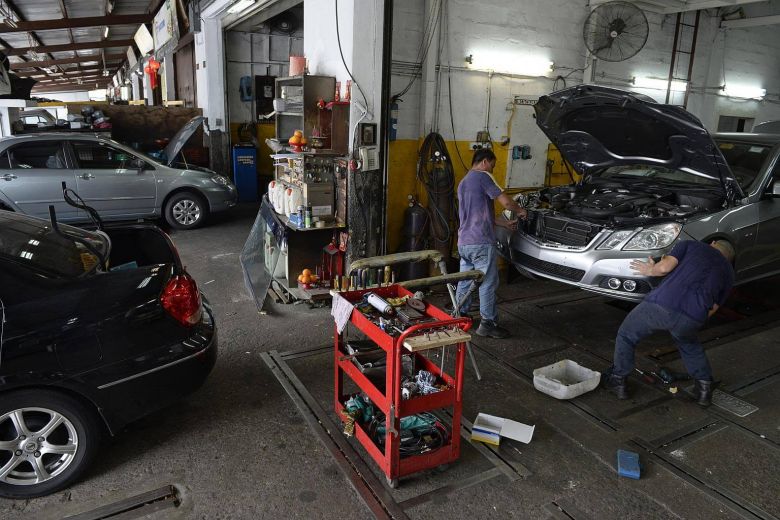
Choosing where to have your car repaired is as important as the repair itself. Dealership service centers offer specialized knowledge of a specific brand and use Original Equipment Manufacturer (OEM) parts, which are guaranteed to fit and function like the original. However, they are often more expensive than independent shops.
Independent repair shops can offer more personalized service and lower labor rates. When selecting an independent shop, look for certifications such as those from the National Institute for Automotive Service Excellence (ASE). A reputable shop should be willing to explain the repairs in detail, provide a written estimate, and show you the old parts that were replaced. Building a long-term relationship with a single mechanic can be beneficial, as they will become familiar with your vehicles specific history.
Conclusion
Car repair is an unavoidable aspect of vehicle ownership, but it does not have to be an overwhelming burden. By staying informed about the basic systems of the vehicle and adhering to a strict preventative maintenance schedule, owners can avoid the most costly and stressful repairs. The goal of any repair should be to restore the vehicle to its original safety and performance standards. In an era of rapidly advancing technology, the combination of professional expertise and owner vigilance remains the best formula for keeping a car on the road for many years and hundreds of thousands of miles.
Frequently Asked Questions
How can I distinguish between a minor belt noise and a major engine problem?
A high-pitched screeching or chirping sound that occurs when you first start the car or turn the steering wheel is usually a sign of a worn serpentine belt or a loose pulley. While this requires attention, it is less severe than a deep, rhythmic metallic knocking or tapping sound from inside the engine, which often indicates serious internal damage to bearings or valves.
What is the difference between a “flush” and a “drain and fill” for fluids?
A “drain and fill” involves removing the fluid that naturally drains out and replacing it with fresh fluid. This typically only replaces about 50 to 60 percent of the total fluid. A “flush” uses a machine to force out nearly all the old fluid, including what is trapped in the torque converter or cooling passages, ensuring a more thorough replacement but at a higher cost.
Why does my car vibrate when I apply the brakes at high speeds?
This is almost always caused by “warped” brake rotors. When rotors are exposed to extreme heat or are of poor quality, they can develop an uneven surface. When the brake pads clamp down on this uneven surface, it creates a pulsation that is felt through the brake pedal or the steering wheel.
Is it safe to drive with the “Check Engine” light on if the car feels normal?
If the light is solid, the computer has detected an issue that affects emissions or performance, and you should have it scanned as soon as possible. However, if the “Check Engine” light is flashing, this indicates a “catalyst-damaging misfire.” In this case, you should pull over and stop driving immediately to avoid destroying the expensive catalytic converter.
Does a car really need a “tune-up” anymore?
In the traditional sense (replacing points, condensers, and carburetors), the tune-up is dead. Modern tune-ups are much simpler and usually involve replacing spark plugs, checking ignition coils, and updating engine software. Most modern cars only require this every 60,000 to 100,000 miles.
Can I use tap water in my radiator during an emergency?
In an absolute emergency, yes, but it should be drained and replaced with the correct 50/50 coolant mix as soon as possible. Tap water contains minerals that can create scale buildup inside the engine and radiator, and it lacks the anti-corrosive additives and the boiling point protection provided by professional coolant.
How often should I change my cabin air filter?
Most manufacturers recommend changing the cabin air filter every 15,000 to 30,000 miles. However, if you drive in heavily polluted areas or on dusty dirt roads, you may need to change it more frequently to maintain proper airflow for the HVAC system and ensure clean air for the passengers.