 By
By Earning a driver’s license is a significant milestone that grants a sense of freedom and independence. However, with that freedom comes a substantial responsibility to maintain safety on the road. For new drivers, the transition from supervised practice to independent travel can be daunting. While basic driving skills allow a person to operate a vehicle, defensive driving is what keeps them safe in a world of unpredictable variables. Defensive driving is a proactive approach to operating a motor vehicle that aims to reduce the risk of collisions by anticipating dangerous situations, despite adverse conditions or the mistakes of others.
Statistical data consistently shows that the first few years of driving are the most dangerous. This is often due to a combination of overconfidence and a lack of experience in identifying subtle hazards. By adopting defensive driving habits early, new drivers can compensate for their lack of experience and develop a safety-oriented mindset that will serve them for a lifetime. This article outlines the fundamental principles and actionable tips that every new driver should master to navigate the roads with confidence and security.
The Foundation of Situational Awareness
The core of defensive driving is situational awareness—the ability to perceive, understand, and predict what is happening around your vehicle. New drivers often suffer from “tunnel vision,” focusing only on the car directly in front of them. Defensive driving requires a much broader perspective.
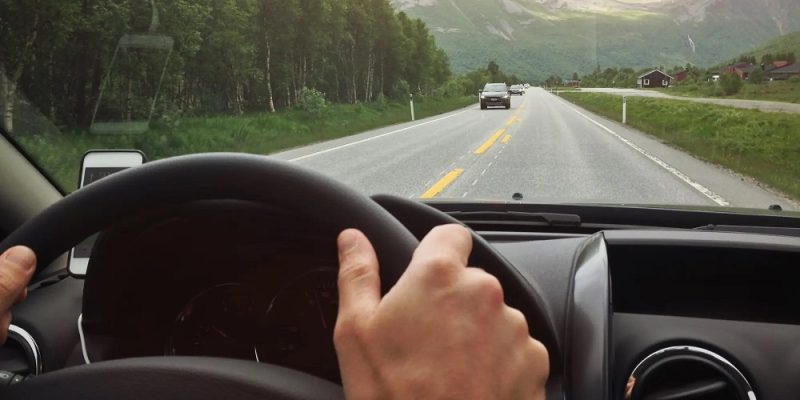
Scanning the Horizon: Instead of looking just a few feet ahead, you should scan the road 12 to 15 seconds into the future. In a city setting, this means looking about a block ahead; on the highway, it involves watching the traffic patterns a quarter-mile away. By looking far ahead, you can see brake lights, construction zones, or merging traffic long before they become an immediate threat to your safety.
Consistent Mirror Use: Your mirrors are your windows into the areas you cannot see directly. You should check your rearview and side mirrors every five to eight seconds. This constant rotation of focus ensures that you are aware of vehicles approaching from behind or hovering in your blind spots. Knowing exactly who is around you at all times allows you to make safer lane changes and sudden stops if necessary.
Mastering the Space Cushion
One of the most effective ways to avoid an accident is to maintain a “space cushion” around your vehicle. This buffer zone provides the time and room needed to react to unexpected events. If the car in front of you slams on its brakes, your space cushion is what prevents a rear-end collision.
-
The Three-Second Rule: Under ideal weather and road conditions, maintain at least a three-second following distance. To measure this, pick a stationary object like a sign or a tree. Once the car in front of you passes it, count “one-thousand-one, one-thousand-two, one-thousand-three.” If you reach the object before you finish counting, you are following too closely.
-
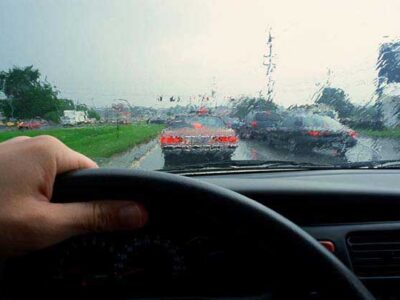
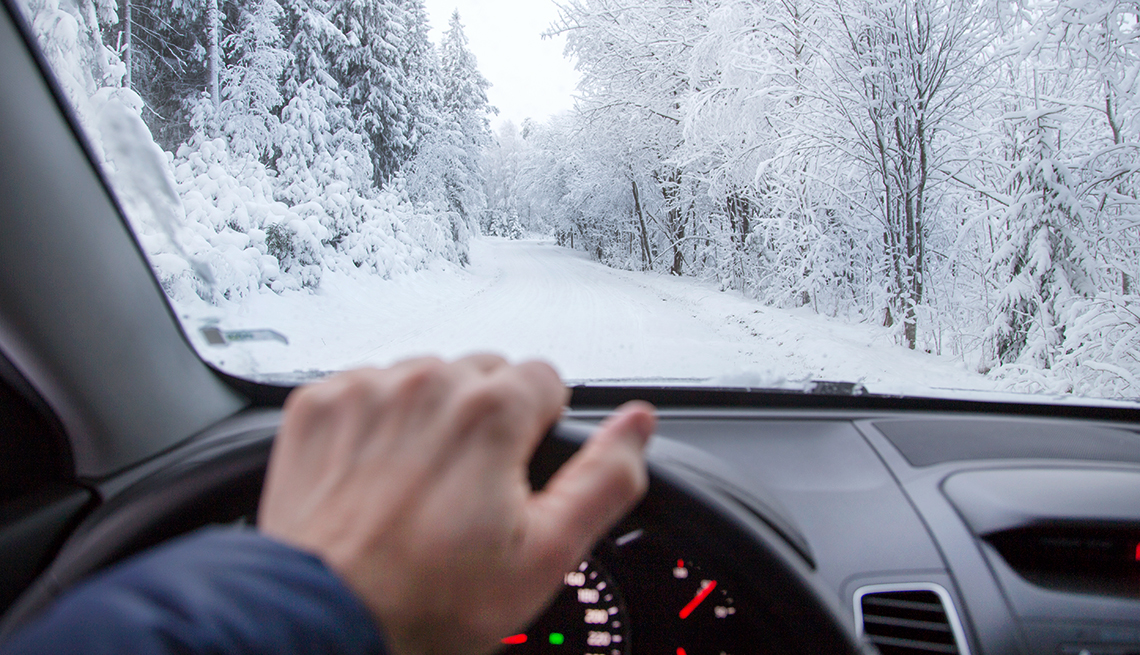
Increasing Distance in Poor Conditions: The three-second rule is a minimum. In rain, snow, fog, or at night, you should increase this to six or even nine seconds. Heavy vehicles and motorcycles also require more space, as they have different braking capabilities than standard passenger cars.
-
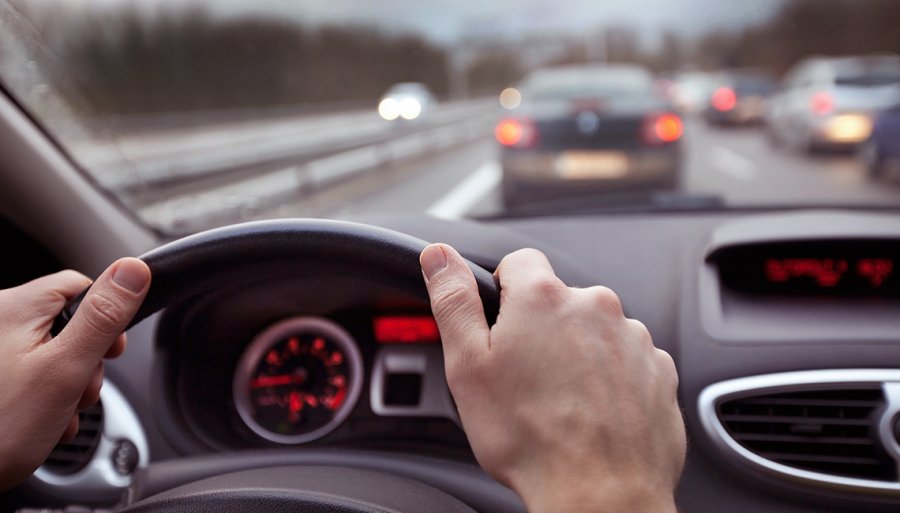
Avoiding the Pack: Whenever possible, avoid driving in large clusters of cars. If you find yourself surrounded by vehicles on the highway, safely adjust your speed to find an open “pocket” of space. Being isolated from other cars significantly reduces the chance of being involved in a multi-car pileup.
Managing Distractions and the Myth of Multitasking
For the modern driver, distractions are everywhere. Smartphones, infotainment systems, and even passengers can pull focus away from the road. Defensive driving requires 100 percent of your cognitive resources. Research has shown that the human brain cannot effectively multitask; instead, it “switches” between tasks rapidly, creating dangerous gaps in attention.
The Smartphone Policy: The most dangerous distraction is the cell phone. New drivers should adopt a strict “do not disturb” policy while driving. This means placing the phone in a glove box or using the car’s software to silence all notifications. Even hands-free devices can be distracting, as the cognitive effort required for a conversation can lead to “inattentional blindness,” where you see a hazard but your brain fails to process it.
Pre-Trip Adjustments: Before you put the car in gear, ensure that everything is set. Adjust your seat, mirrors, climate control, and GPS destination while parked. Fiddling with a navigation screen at 60 miles per hour is equivalent to driving the length of a football field blindfolded.
Anticipating the Mistakes of Others
A common mistake new drivers make is assuming that other motorists will follow the rules of the road. Defensive driving operates on the opposite assumption: expect that other drivers will make mistakes, and have a plan to deal with them.
The Intersection Check: Intersections are the most common sites for collisions. Even if you have a green light, do not assume it is safe to proceed immediately. Always look left, right, and left again before entering an intersection. This habit can save you from a “red-light runner” who failed to stop.
Communication is Key: Use your turn signals at least 100 feet before making a move. This gives others time to react to your intentions. However, do not assume that another driver’s signal means they are actually turning. Wait for them to begin the maneuver before you pull out in front of them. The signal might have been left on accidentally from a previous turn.
Blind Spot Awareness: Never linger in another driver’s blind spot, especially next to large trucks or buses. If you cannot see the driver’s face in their side mirror, they cannot see you. Either speed up safely to pass or drop back to remain visible.
Dealing with Aggressive Drivers and Road Rage
Aggressive driving is a major contributor to road accidents. New drivers can easily become flustered or intimidated by tailgaters or drivers who cut them off. The defensive response to aggression is de-escalation.
If someone is tailgating you, do not “brake check” them or speed up beyond your comfort level. Instead, safely change lanes and let them pass. If there is only one lane, maintain a steady speed and look for a safe place to pull over if they become dangerously aggressive. Your goal is to get the aggressive driver away from you as quickly and safely as possible. Never engage in eye contact or hand gestures, as this can escalate a simple traffic frustration into a dangerous road rage incident.
Adapting to Environmental Hazards
Environmental conditions can change in an instant, and a defensive driver must adapt their technique accordingly. New drivers often struggle with “over-driving” their headlights or failing to account for reduced traction.
Night Driving: High beams should be used in rural areas to increase visibility, but they must be dimmed when an oncoming vehicle is within 500 feet. If an oncoming car refuses to dim their high beams, do not stare into the lights. Instead, look toward the white line on the right edge of the road to maintain your lane position without being blinded.
Wet and Icy Roads: Hydroplaning occurs when a layer of water builds up between the tires and the road, causing a loss of steering. If this happens, do not slam on the brakes. Take your foot off the gas and keep the steering wheel straight until you feel the tires regain grip. On icy roads, all movements—braking, accelerating, and steering—should be done with extreme gentleness to avoid breaking traction.
Conclusion
Defensive driving is not an inherent skill; it is a discipline that must be practiced every time you get behind the wheel. For new drivers, the initial months of driving are the most critical time to cement these habits. By maintaining a wide field of vision, protecting your space cushion, eliminating distractions, and staying calm in the face of others’ mistakes, you significantly tip the odds of safety in your favor. Driving is a privilege that requires constant vigilance. Adopting a defensive mindset ensures that you protect not only your own life but the lives of everyone else sharing the road with you.
Frequently Asked Questions
How can I tell if I am in someone’s blind spot?
A good rule of thumb is to look at the other vehicle’s side-view mirrors. If you cannot see the driver’s face in their mirror, you are almost certainly in their blind spot. To stay safe, you should either move ahead of the vehicle or drop back so that you are visible in their peripheral vision or mirrors.
What is the “S.I.P.D.E.” method in defensive driving?
S.I.P.D.E. is an acronym for Search, Identify, Predict, Decide, and Execute. It is a systematic process for making safe driving decisions. You Search the road for information, Identify potential hazards, Predict how those hazards might affect you, Decide on a course of action, and Execute that action smoothly.
How should I handle a vehicle that is swerving or drifting between lanes?
If you see a vehicle behaving erratically, it may be a sign of a distracted, tired, or impaired driver. Increase your following distance immediately. Do not attempt to pass the vehicle unless you have a very wide berth. If the behavior is extreme and dangerous, find a safe place to pull over and call local law enforcement to report the vehicle’s location and license plate.
Is it better to steer or brake to avoid a sudden obstacle?
This depends on your speed and the space available. At higher speeds, it is often easier to steer around an obstacle than to stop completely. However, sudden swerving can lead to a loss of control or a rollover. Most modern cars have Anti-lock Braking Systems (ABS) that allow you to brake hard and steer at the same time. Generally, the safest bet is to brake firmly while looking for an “escape route” to steer toward.
What should I do if my tires drop off the edge of the pavement?
This is a common cause of rollovers for new drivers. If your wheels slip off the road, do not jerk the steering wheel back toward the pavement. This can cause the car to “slingshot” across the road into oncoming traffic. Instead, take your foot off the gas, hold the steering wheel firmly, and straddle the edge of the road until the car slows down. Once you have control and a clear path, gently steer back onto the pavement.
Why is it dangerous to drive while tired, and how can I spot the signs?
Drowsy driving can be as dangerous as drunk driving because it slows your reaction time and impairs judgment. Signs include frequent yawning, drifting from your lane, or realizing you don’t remember the last few miles you’ve driven. If you feel sleepy, the only real cure is to pull over in a safe, well-lit area and take a nap or switch drivers.
How does “covering the brake” help in defensive driving?
Covering the brake means taking your foot off the accelerator and hovering it over the brake pedal without actually pressing it. You should do this when approaching intersections, passing parked cars where a door might open, or when you see children playing near the road. This technique reduces your reaction time by a fraction of a second, which can be the difference between a near-miss and a collision.