
 By
By Keeping your hybrid vehicle running well is the quickest way to protect your income and provide smooth trips through Perth and surrounding WA. Hot summers, stop-start traffic and long hauls all take a toll on your vehicle. By developing a few habits and a good service plan, you can reduce costs, extend the life of your parts and keep your vehicle earning daily. Click here to know more about hybrid vehicle.
How Often Should Hybrids Be Serviced?
Follow the logbook first and then amend for high-kilometre work. Hybrids doing airport loops, city shifts, and doing the odd country job often accumulate distance quicker than the private vehicle. This means you will more often than not be pulling visits forward based on total accumulated distance and not months of intervals. If you are running long hours in WA heat or dust, consider shorter oil and filter changes and retain receipts for battery warranty and drivetrain coverage.
Service criteria are not only about oil. Ask your technician to check cooling systems for the engine as well as the hybrid components as thermal stress is common in the summer. When booking, mention your workload so the shop can plan for high mileage service intervals to catch wear and defect before it costs you days off the road.
Brake Wear and Regenerative Braking
While regen takes a load off the pads; it doesn’t remove the brake from being a ‘lifetime component’. As a rideshare drivers, you are still going to rely on friction brakes when going slow, when there is a hard stop, and when the battery is full or cold. Smooth driving and checking the brakes will take a lot of wear on pads and keep stopping distance consistent.
- Back off early so that energy can be harvested before braking pads bite.
- Fail to change brake fluid on schedule; moisture and heat can degrade fluid faster due to more frequent stops.
- Pay attention to chirps or grinding and feel for vibrations through the pedal as both are warning signals.
- When you get inspections, ask to have the caliper slide cleaned and pad guides serviced ob get uneven wear.
Signs of Battery Health
An extremely healthy hybrid battery goes in and out quietly in the background without notice. The first sign is moving the graph in the charge display quickly, a loud uses the cooling fan behind the rear seats, and sudden decline in fuel economy. Warning lights are important, but subtle changes in the feel of driving, like take off sluggishness or harsh “catch-in” on the gasoline engine are often the very first signs. Heat is the killer here! Make sure that vents are not blocked by bags, or pet hair, and don’t obstruct the rear cargo area as that is often where many battery intakes sit for cooling.
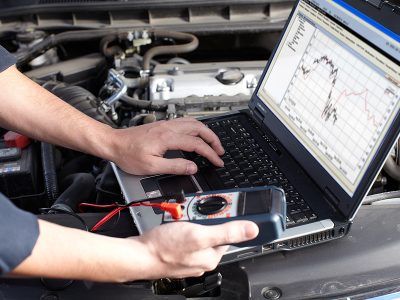
If you are in a hybrid car rental, please report this immediately so that fleet maintenance can scan the system. For long-term drivers or rent-to-own hybrids, include a mid-year battery health check in your plan; a simple diagnostic can alert you to weak modules earlier and maintain range and capability.
Simple Daily Checks

Two minutes before you start your day could save you from a tow later. A walk-around of the car checking for tyre cuts or low-pressure, and making sure the lights, horn, and wipers all work is a good start. Weekly, open the bonnet to check engine oil level, check coolant reservoir, and check washer fluid. If your model has different coolant for the inverter, confirm that the tank is sitting on the “full” mark when cold.
A clean cabin and unobstructed hybrid battery intake, and as little dirt and debris as possible will also be beneficial. If you are undertaking weekly rental arrangements, noting any dash messages in the pickup log means any future issues cannot be pinned on you. Air filters and correct tyre pressures will also be tremendously beneficial for passenger comfort and fuel saving on high mileage days.
Avoiding Costly Downtime
Your best strategy is consistent predictability. Bundle work with a regular service partner who understands hybrids and can fast-track parts. When you have a long regional trip, check service times at both ends in advance so you’re not stuck waiting a long period for simple repairs.
- Always have a compact tyre inflator, a proper gauge, and a plug kit for slow leaks.
- Replace wiper blades and cabin filters on a schedule to maintain driver visibility and airflow.
- Carry an extra key battery and a jump pack; the majority of no-start calls are due to 12V, not errors with the hybrid pack.
- If you can, deal with providers who provide loan cars or short-term hybrid replacements; this is mainly where hybrid car rentals, secondhand hybrid sales, and fleet partners’ profit.
- Look after your costs on a per kilometre basis; as repair costs increase, it’s worth comparing upgrades through rent-to-own hybrids with keeping the car for a longer period.
By establishing good habits and a service plan that is suited to WA conditions, your hybrid will remain efficient, quiet, and ready for every shift. By caring for the car, it will care for your schedule—and your earnings.