
 By
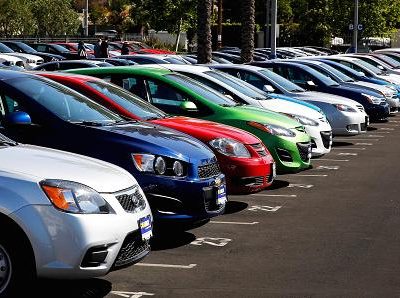
By The automotive industry is currently navigating one of the most significant shifts in its century-long history. While much of the public discourse focuses on the transition to electric vehicles or the integration of autonomous driving technology, a quieter but equally profound revolution is happening within the showroom walls. The traditional dealership model, once built primarily on the pillars of inventory volume and aggressive price negotiation, is being forced to pivot toward a service-centric philosophy. In an age of instant information and infinite consumer choice, customer service has become the primary differentiator that determines whether a dealership thrives or disappears.
For decades, car dealerships operated with a significant information advantage. Consumers had limited access to invoice pricing, trade-in values, or long-term reliability data. Today, that information asymmetry has vanished. A customer walking onto a lot often knows more about the vehicle’s specifications and market value than the salesperson assisting them. When price and product information are commoditized, the only remaining variable that a dealership can truly control is the human experience. Consequently, the quality of interaction at every touchpoint—from the initial online inquiry to the final signature in the finance office—has become the new battleground for automotive retail.
The Impact of Digital Transparency on Consumer Behavior
The modern car-buying journey almost always begins on a screen. Research suggests that consumers now spend dozens of hours researching vehicles online before ever setting foot in a physical dealership. This digital-first approach has fundamentally changed the stakes of customer service. If a dealership’s website is difficult to navigate, if their online chat response is automated and unhelpful, or if their pricing is opaque, the consumer will simply click over to a competitor.
In this context, customer service begins long before a face-to-face meeting. It manifests as digital responsiveness and transparency. Dealerships that provide accurate, real-time data and respond to inquiries with personalized, helpful information are the ones that secure the appointment. The modern consumer views their time as their most valuable asset; therefore, a dealership that respects that time by streamlining the digital-to-physical transition is practicing the highest form of modern customer service.
Trust as a Tangible Business Asset
One of the greatest challenges facing the automotive retail sector is a historical legacy of consumer skepticism. High-pressure sales tactics and “shell games” regarding financing have left a lasting impression on the collective consciousness of car buyers. To combat this, elite dealerships are now treating trust as a tangible asset that must be cultivated and protected.
Exceptional customer service serves as the primary tool for building this trust. This involves a shift from a “transactional” mindset to a “relational” one. When a salesperson prioritizes finding the right vehicle for a customer’s specific lifestyle and budget over maximizing the commission on a single unit, they are making an investment in the long-term viability of the business. Trust leads to referrals and repeat business, which are significantly more cost-effective than the expensive marketing required to constantly acquire new, cold leads.
The Service Drive: The Engine of Customer Retention
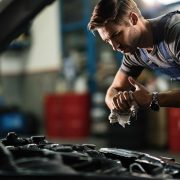
While the sales department often gets the glory, the service department is where the true battle for customer loyalty is won or lost. For most car owners, the majority of their interaction with a dealership occurs in the service bay, not the showroom. A bad experience during a routine oil change can instantly negate the goodwill built during a successful vehicle purchase.
Modern service centers are redefining customer service through convenience and communication. This includes:
-
Proactive Communication: Using text and video updates to show customers exactly what is happening with their vehicle. Seeing a video of a worn brake pad or a leaking gasket builds immediate credibility.
-
Convenience Services: Offering valet pickup and delivery, loaner vehicles, and comfortable “work-from-home” lounges with high-speed internet.
-
Price Transparency: Providing clear, upfront estimates and avoiding the “surprise” add-ons that have traditionally frustrated service customers.
By treating the service drive as a hospitality experience rather than a mechanical chore, dealerships can ensure that a customer remains within their ecosystem for the entire lifecycle of the vehicle.
The Psychological Power of Personalization
In a world of mass-market retail and automated interfaces, personalization is a powerful psychological trigger. Car buying is an emotional experience; it is often the second-largest purchase a person will ever make. Dealerships that excel in customer service understand how to lean into this emotional significance.
Personalization can be as simple as remembering a customer’s preferred method of communication or as complex as tailoring a vehicle handover ceremony to celebrate a teenager’s first car. When a customer feels like a person rather than a “up” in a CRM system, their loyalty increases. This human-centric approach creates an emotional “switching cost” that makes it difficult for a customer to leave for a competitor just to save a few dollars on a monthly payment.
Navigating the Challenges of Inventory Fluctuations
The global supply chain disruptions of recent years have highlighted the importance of customer service in times of scarcity. When inventory is low and wait times are long, the only thing a dealership has to offer is its relationship with the customer. Dealerships that provided regular updates, managed expectations honestly, and refused to engage in predatory pricing during inventory shortages built immense brand equity. Conversely, those that exploited the situation found that as soon as supply returned to normal, their customers fled to competitors who treated them with respect during the lean years.
The Role of Employee Satisfaction in Guest Experience
It is an established principle in the service industry that you cannot have happy customers without happy employees. Dealerships that suffer from high turnover rates often have inconsistent customer service. When a customer returns for their second service appointment or their next vehicle purchase and finds an entirely new staff, the relational bond is broken.
Dealerships that invest in their staff through ongoing training, fair compensation, and a positive work culture see a direct correlation in their customer satisfaction scores. A salesperson who feels valued and secure is more likely to provide a relaxed, helpful experience for the buyer. Customer service, therefore, is not just an external strategy; it is an internal culture that must be nurtured from the top down.
Conclusion
The car dealership of the future is not just a place where machines are sold; it is a service hub where mobility solutions are managed. As the industry continues to evolve toward subscription models, electric drivetrains, and increased online purchasing, the “human element” will only become more valuable. Technology can facilitate a transaction, but only human interaction can build a relationship. Dealerships that realize customer service is their most potent competitive advantage will not only survive the current industry transformation but will lead it. In the end, people don’t just buy cars; they buy into the people and the brands that make them feel valued, respected, and heard.
Frequently Asked Questions
How can I tell if a dealership has good customer service before I visit?
Look for “recency” and “detail” in online reviews. A dealership with a high volume of recent, detailed reviews that mention specific staff members by name is usually a sign of a healthy service culture. Also, pay attention to how the dealership responds to negative reviews; a professional, solution-oriented response is a strong indicator of a commitment to service.
Does a high customer service score mean I will pay more for a car?
Not necessarily. In fact, dealerships with high service standards often have more efficient processes, which can lead to more competitive pricing. More importantly, good service can save you money in the long run by avoiding hidden fees, ensuring you get the best financing rates, and providing reliable maintenance that prevents expensive repairs.
What should I do if I receive poor service at a dealership?
The first step is to ask to speak with the department manager (Sales Manager or Service Manager). Most dealerships are highly sensitive to their manufacturer’s “Customer Satisfaction Index” (CSI) scores and will work hard to resolve an issue before it results in a negative survey. If the manager is unhelpful, escalate the issue to the General Manager or the owner.
Why do dealerships send out so many surveys after a visit?
Automobile manufacturers use these surveys to determine a dealership’s “CSI” score, which affects the dealership’s bonuses and their priority for receiving high-demand inventory. Because these scores are so critical to the dealership’s bottom line, they are highly motivated to ensure you have a “perfect” experience.
Can good customer service affect my car’s resale value?
Indirectly, yes. A dealership with a great service department will maintain a meticulous electronic service history for your vehicle. When it comes time to sell or trade in your car, having a verifiable, single-location service history can significantly increase the value of the vehicle to the next buyer.
Is customer service different at a luxury dealership versus a standard one?
While the “amenities” might differ (e.g., gourmet coffee vs. a vending machine), the fundamental principles of respect, transparency, and responsiveness should be the same. In fact, many non-luxury brands are currently investing heavily in “lifestyle” facilities and concierge services to narrow the gap in guest experience.
What is the “one-price” or “no-haggle” model in relation to customer service?
Many dealerships are moving to a transparent, no-haggle pricing model as a form of customer service. This approach removes the stress and confrontation of negotiation, which many modern buyers cite as the most unpleasant part of the experience. By fixing the price, the dealership shifts the focus of the interaction from “the deal” to “the vehicle and the guest.”