 By
Start sourcing used BYD parts on the day the repair is first estimated. Every later stage of the job, from drop-off to reassembly, depends on parts being available when the workshop needs them. Owners and workshops that confirm a booking before sourcing parts often have to change it later, and changing it is harder than making the plan first.
Get a diagnosed parts list first
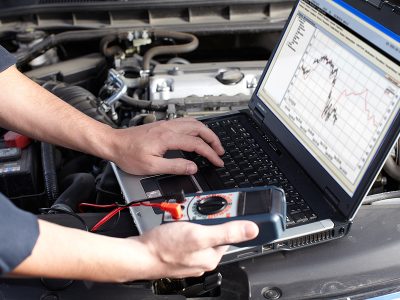
Sourcing can’t start until someone has stated exactly what needs to be bought. A visual guess at the damage will miss the brackets, clips, fasteners, and wiring behind a damaged panel, and those small items often delay a job late in the repair. A diagnosis from the workshop doing the repair, or from a qualified assessor, should produce a written list that names each part and gives its part number where one exists.
Hidden damage is the main reason the list needs to come from an inspection. A cracked bumper skin can mean a bent reinforcement bar behind it, and a list that records only the visible item leaves the job one part short. The same applies to lamps with broken mounts and doors with damaged wiring.
The list may still grow once the car is stripped, and that’s normal. The first version needs to be accurate enough to send out because every later step in the process runs from it. If the car is drivable, the workshop doing the repair is usually the right place for that inspection, since the same list will guide its teardown later. For insurance repairs, the insurer also uses the diagnosed list to price the repair, so accuracy here shortens the approval stage.
Give dismantlers enough information to say yes or no
A yard that receives a one-line message asking for a headlight has to reply with questions, and every round of questions adds delay. A dismantler can answer quickly when the first inquiry has enough detail. Send a short, complete brief with the initial inquiry:
- the model and variant, such as an Atto 3 or a Sealion
- the year of manufacture and the VIN
- photos of the damage, plus photos of any labels on the part itself
- the part numbers from the diagnosed list, where they exist
Naming the exact variant helps more than most owners expect. BYD’s range includes high-volume nameplates such as the Atto 3 and the Dolphin, along with newer arrivals like the Shark and the Sealion. Yards catalog their stock by those names.
Include the VIN because manufacturers make running changes during a model’s life. Two cars built in the same year can carry different versions of what looks like the same part, and the VIN lets the yard tell them apart before anything ships. Part numbers can come from the diagnosed list, from labels on the parts themselves, or from a dealer parts counter quoting against the VIN. Photos serve another purpose: a used panel already in the right color can go straight to fitting, while the wrong color adds a paint stage to the schedule.
Sort the list by scarcity and order the hard parts first
Each line on the list carries a different sourcing risk. High-turnover items for popular models, parts like doors, guards, mirrors, and lamps, move through yards steadily and are usually available from more than one supplier. Trim in an uncommon color, and parts for nameplates that have only been on sale for a short time, are the hardest to find.
Used stock for any model grows as more of those cars age and reach dismantlers, so recent nameplates have less used stock available than established ones. Color-coded trim shows this clearly: a part that exists in six colors is really six different parts as far as a dismantler’s shelf is concerned. Scarce items belong at the top of the order queue, and common items can follow once the hard ones are secured. A part that rarely surfaces should be bought when it’s found, because there may not be a reliable second chance.
Sequence still comes first. Securing the two hardest parts early usually protects the booking date better than saving money on the easy ones. Check completeness at this stage too: a door sold as a bare shell is cheaper than one sold with its glass and trim, and the difference decides whether more parts need sourcing after it arrives. Assemblies that carry sensors or control modules should be matched by exact part number, since a part that looks identical can behave differently once fitted.
What to ask a BYD wrecking yard before committing
Quotes for used parts are only comparable if every supplier answers the same questions. A standard set of questions, sent to each yard, keeps the answers like-for-like and gives whoever approves the spend something clear to sign off:
- whether the part is physically in stock and ready to leave
- the dispatch date the yard can commit to
- the expected freight time to the workshop’s address
- condition photos of the actual part that will ship
- the return terms if the part arrives wrong or damaged
Specialists should receive the list at this stage. Sending the same brief to a yard focused on BYD Wrecking puts the request in front of people who dismantle these cars regularly and can answer from current stock. Get the answers in writing, because a verbal yes is hard to approve and harder to enforce when dates slip.
Anyone weighing used parts against new ones should ask both channels the same questions. A quote with no dispatch date gives the planner nothing to work with, whatever the price. Both sides need to state their terms the same way for the comparison to mean something, and written quotes also protect the buyer if a dispute comes up later.
Set alerts for parts that are not available yet
Some lines on the list will come back as unavailable, and that answer can change quickly. Yards take in vehicles continually, so a part with no stock today can arrive with the next suitable donor car. Most dismantlers will keep a request on file and make contact when a match lands, provided the request is specific enough to act on.
The detailed brief helps again at this stage. An alert that names the part number and the model it must fit lets the yard say yes when a donor car arrives. Lodging the same alert with several yards raises the chance of an early match, since each additional yard adds another stream of incoming vehicles.
An alert should also tell the yard what to do when a match arrives: hold the part, or call before selling it. High-turnover parts can sell soon after they’re cataloged, so answer quickly when a yard calls. When several yards hold the same alert, authorize one purchase and cancel the other alerts once that purchase is confirmed, so two yards don’t both fill the request. If a request waits for approval and the part sells, the search starts again.
Coordinate freight and receiving with the workshop
Used parts often travel, and large panels travel badly unless they’re packed well. Ask how the part will be packed before agreeing to freight, because a panel that arrives with bent mounting tabs is a return, and a return sends that line of the list back to the start.
Decide who receives deliveries at the workshop and where parts are stored until the job starts. Panels need flat, protected storage, and electronic items need dry storage. Keep the packaging until the part is fitted, since most return terms depend on it.
Check each arrival against the diagnosed list and the condition photos as soon as it lands. Catching a wrong or damaged part on delivery day leaves room to source a replacement while the car is still at home. A quick photo of each arrived part, sent to the owner or approver, closes the loop without a site visit. For insurance jobs, tell the assessor where parts are coming from and when they’re due, so the approval paperwork matches the delivery plan. The drop-off date should only be treated as firm once every line on the list is physically present and checked against its photos.
Let the slowest part set the booking date
A workable booking date is the arrival date of the slowest part, plus enough margin for freight to run late. Booking the car in earlier doesn’t speed the repair up. It moves the waiting from the owner’s driveway to the workshop floor, where the car occupies a hoist and the schedule stalls anyway.
Approving quotes needs the same care. Used stock sells as single units, and a quote left sitting can mean the part is gone by the time approval arrives. Approvers who receive the diagnosed list and the written quotes up front can decide while the parts still exist.
If a part slips, adjust the booking before the car enters the workshop. A revised date is an inconvenience, but a car stuck mid-repair while a replacement part is found is a larger problem, and it can carry extra costs like replacement transport for the owner. Workshop scheduling should follow the parts list, and any change to the list should flow back into the booking. Owners can ask the workshop for a one-line update as each part lands, which keeps everyone planning around the same dates.
The next step
The sequence is short enough to start immediately. Begin with the diagnosis and the written parts list, then send that list, with the VIN and photos, to every suitable yard. Ask for written answers on stock status, dispatch dates, freight times, and return terms.
Set alerts for anything outstanding, and approve quotes while the parts still exist. Book the car in when the last part has arrived and been checked. A repair is more likely to run to plan when procurement is treated as the first task on the schedule, starting with the estimate.